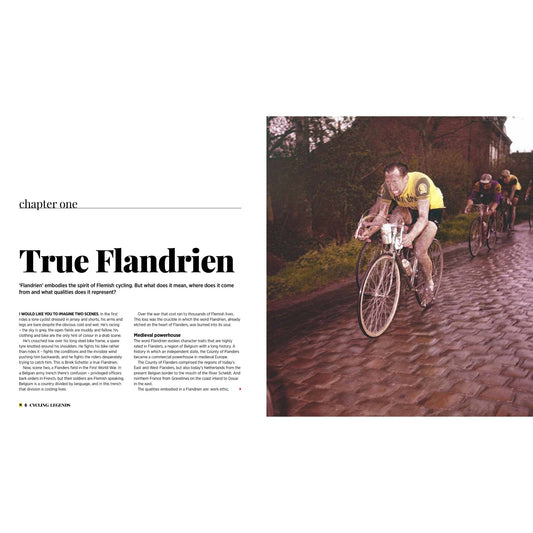

This is Paul Sherwen (centre) in the 1982 Tour de France. His voice became part of the Tour, but long before he sat beside Phil Liggett, he earned his place in the European peloton.
Born in Widnes and raised in Africa, Paul rose from third-category amateur to international rider under coach Harold Nelson, who instinctively knew how to coach riders in ways science has proved correct since.
In 1978 Paul turned professional, one of the first of a second wave of British riders to make a life in continental racing. He was based in Lille, where the northern classics suited. Asked to describe himself as a rider, he offered a typically dry verdict: “A pathetic climber but reasonable sprinter. I liked the classics, but not the hilly ones.”
Cycling wasn’t rich in his era, sometime even the Tour struggled to attract teams and the sport’s future looked uncertain. But he always said that afterwards grew out of those years on the bike, including his partnership with Phil.
For more than two decades, they supplied the soundtrack to cycling’s great moments, Phil’s flights of language matched by Paul’s knowledge and steady eye for what riders were going through. Their timing was instinctive. “We just have a mutual understanding of when the other needs to say something,” Paul explained. They shared northern English roots and a sense of humour.
Away from the microphone, Paul lived a life as improbable as Phil’s legendary Liggettisms; Paul’s favourite of those mic slips being, “And now Gerrie Knetteman is breaking wind at the front.” Based in Uganda, Paul had interests in a gold mine and a business supplying the oil industry. Each spring he flew from Entebbe to New York every weekend to commentate, returning in time to be at his desk on Tuesday. “I refuse to accept jet lag,” he said.
Paul’s outlook was as memorable as his stamina. He believed in Africa’s future and in cycling’s, even during its difficult years. The sport was beautiful to watch, he said, and he and Phil had always tried to convey that. Since his death in 2018, cycling has missed both the voice and the generous, resilient man behind it.